Circle Calculator
Find the area and circumference of a circle from its radius — the two foundational measurements for any circular shape.
Inputs
- Radius
Paste this into any page — the widget stays live and updates automatically as this calculator improves. Using WordPress or Notion? See the embed guide.
Saved Scenarios
— select 2+ to compare| Metric | |
|---|---|
Area
78.54
Circumference
31.42
Spark says
How it's calculated

Formula
- r
- — Radius
What is the Circle Calculator?
This calculator finds a circle's area and circumference (perimeter) from its radius, using the constant π.
Use this when planning materials for a circular space or object, checking a geometry homework calculation, or estimating quantities (paint, fencing, flooring) for anything circular.
How to use it
- 1 Enter the radius.
Understanding Circle Calculator
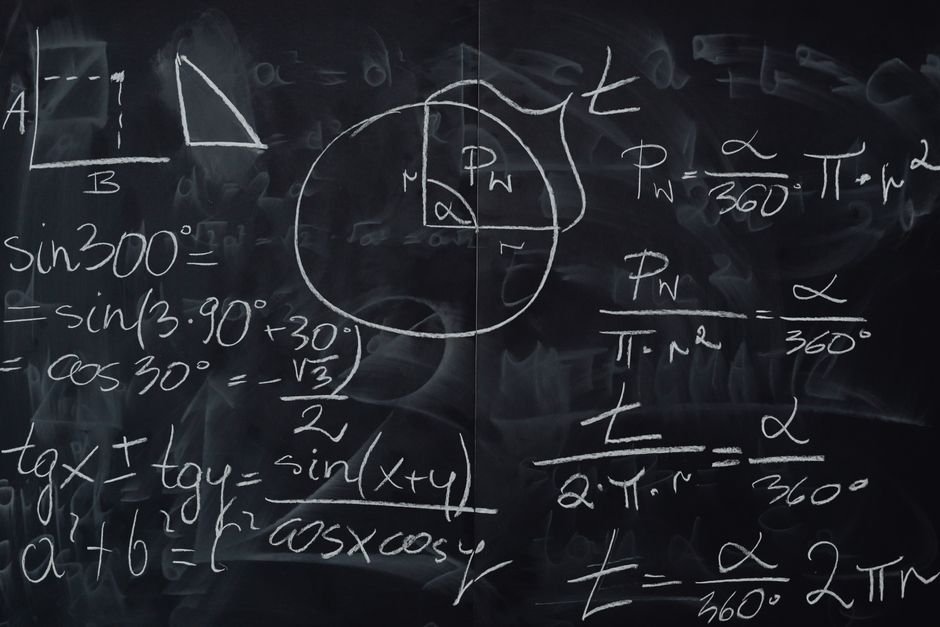
The two formulas this calculator computes — area as π times radius squared, circumference as 2π times radius — both derive from the same fundamental constant, π, which represents the fixed ratio between a circle's circumference and its diameter, true for every circle regardless of size. This universality is precisely why π shows up in both formulas: it's a fixed proportionality constant connecting a circle's linear dimension (its radius) to both its enclosed area and its boundary length, in two mathematically related but distinct ways.
The circumference formula is the more directly intuitive of the two — since π is defined as circumference divided by diameter, and diameter is twice the radius, circumference simply equals π times the diameter, or equivalently 2π times the radius. The area formula requires a slightly more involved derivation (classically shown by imagining a circle sliced into increasingly thin wedges, rearranged into an approximate rectangle whose dimensions relate directly to the circle's radius and circumference), but the key takeaway for practical purposes is that area scales with the square of the radius, not linearly with it — a relationship worth understanding intuitively, since it explains why doubling a circle's radius doesn't just double its area, it quadruples it, a genuinely useful piece of intuition for comparing differently-sized circular objects or spaces.
This radius-squared relationship for area, contrasted with the directly-proportional relationship for circumference, is exactly why the distinction between the two measurements matters so much for practical planning. Materials that cover a surface — paint, flooring, sod for a circular lawn area — scale with area, meaning material needs grow quadratically as a circular space gets larger. Materials that go around a boundary — fencing, edging trim, a border — scale with circumference, meaning material needs grow only linearly with size. A circular garden bed twice the radius of a smaller one needs roughly twice as much edging material, but roughly four times as much soil or mulch to fill it — a distinction worth understanding clearly before ordering materials for any circular project, since conflating the two calculations (or using the wrong one) leads directly to over- or under-ordering.
This same area formula extends naturally into three-dimensional geometry, forming the foundation for both cylinder and sphere calculations. A cylinder's volume is simply its circular base area multiplied by its height — the circle calculation applied directly, with an extra dimension added. A sphere's volume formula, while it looks different at first glance (4/3 times π times radius cubed), is derived through a related but more involved process of integrating circular cross-sections across the sphere's full diameter — meaning the same fundamental circle geometry this calculator computes underlies a substantial portion of everyday practical volume calculations, well beyond flat circular shapes alone.
Worked examples
Advantages
- •Instant calculation of both area and circumference from a single input.
- •Uses the precise value of π rather than a rounded approximation, for accurate results.
- •Simple enough for quick everyday use, from classroom homework to practical DIY planning.
- •Foundational calculation that extends directly into cylinder and sphere volume calculations.
Limitations
- •Assumes a perfect circle — real-world circular objects and spaces may deviate slightly from a perfect circle, affecting real material needs.
Common mistakes
- ⚠️ Entering diameter instead of radius, which is exactly double the intended input and produces a result four times too large for area (since area scales with radius squared).
- ⚠️ Confusing area (the space enclosed by the circle) with circumference (the distance around its edge) when estimating material needs — area-based materials (paint, flooring) and perimeter-based materials (fencing, edging) require entirely different calculations.
- ⚠️ Using an overly rounded value of π (like 3.14) for calculations requiring more precision, introducing small but avoidable error.
Tips
- 💡 Double-check whether you have the radius or the diameter before entering a value — diameter is twice the radius, and mixing them up produces a significantly wrong result.
- 💡 Use area for materials that cover a surface (flooring, paint, seeding a circular lawn) and circumference for materials that go around an edge (fencing, trim, edging).
- 💡 For higher-precision work, rely on this calculator's exact π-based computation rather than manually rounding π to a couple of decimal places.
- 💡 Remember this calculation extends directly to cylinder volume (circle area times height) and forms the basis of the sphere volume formula as well.
Real-life uses
- Planning materials for a circular space or object (flooring, fencing, paint)
- Checking a geometry homework calculation
- Estimating quantities for anything circular, from a garden bed to a table
- Providing the base area calculation for cylinder volume problems
Frequently asked questions
How do I use diameter instead of radius?
Divide the diameter by 2 to get the radius, then enter that value.
Why does doubling the radius quadruple the area but only double the circumference?
Area scales with the square of the radius (π r²), while circumference scales directly and linearly with radius (2π r) — this is why area grows much faster than circumference as a circle gets larger.
Should I use area or circumference for estimating material needs?
Use area for materials that cover a surface (paint, flooring, soil) and circumference for materials that go around an edge (fencing, trim, edging) — using the wrong one leads to significantly over- or under-ordering.
How is circle area connected to cylinder and sphere volume?
A cylinder's volume is simply circle area multiplied by height, directly extending this calculation. A sphere's volume formula is derived through a related but more involved process integrating circular cross-sections across the sphere.
Does this calculator use an exact value of π?
Yes — it uses the precise value of π rather than a rounded approximation like 3.14, giving more accurate results than manual calculation with a truncated π value.
calixo.cloud/math/circle-calculator/ — free calculator, no signup required.