USPS Text Scam: The 'Package Delivery Failed' Smishing Text Explained
A text claiming your USPS package couldn't be delivered and needs an address confirmation is one of the most widely reported smishing scams in the US. Here's exactly how it works and how to check a tracking notice is real.
Published July 25, 2026

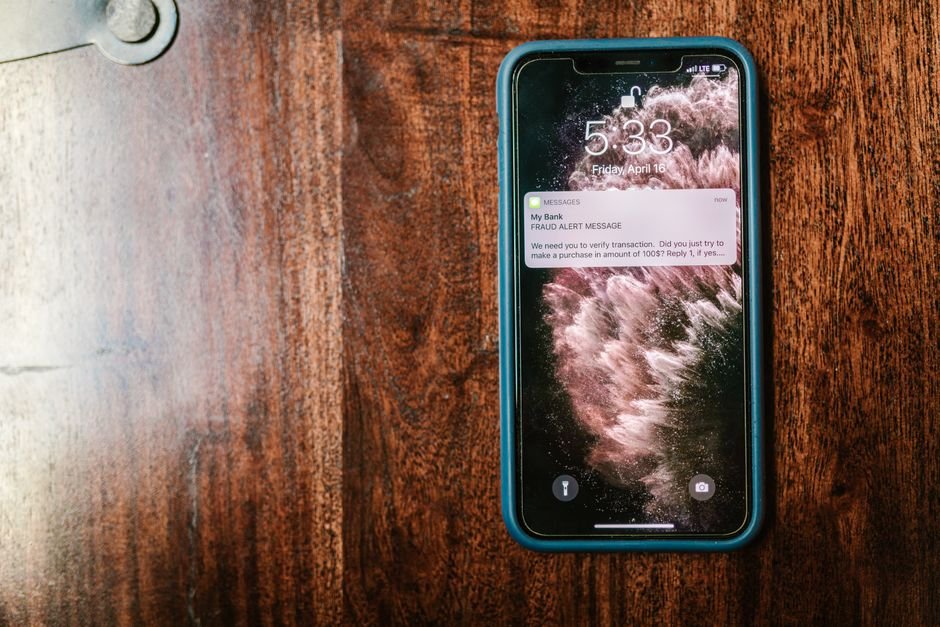
The USPS text scam — also called “smishing” (SMS phishing) — is one of the most widely reported text-message scams in the US, and its timing isn’t accidental: with millions of real packages moving through the postal system daily, a fake delivery-issue text has a high chance of arriving right when someone actually is expecting a package, making it far more believable than a random cold-contact scam.
How the scam works
A text arrives claiming a package couldn’t be delivered due to an “incomplete address,” asking you to tap a link to “confirm your delivery details” or pay a small “redelivery fee.” The link opens a page designed to look like a real USPS tracking or address-confirmation page, hosted on a domain that isn’t usps.com. The page asks for your address and, notably, payment card details for the “fee” — which is where the scam actually profits, either through the small charge itself, or by capturing full card details for larger fraudulent use afterward.
Some versions skip the payment request and instead ask for enough personal information (name, address, sometimes a portion of a Social Security number “to verify identity”) to be useful for identity theft rather than direct payment fraud.
Why this scam is so effective
Unlike many phishing attempts that rely on a fabricated sense of urgency around something you weren’t expecting, USPS smishing rides on something genuinely happening in millions of households at any given time — an actual package in transit. This baseline plausibility, combined with a very small requested payment (often just $1-3 for “redelivery”), is specifically calibrated to feel too trivial to be worth scrutinizing closely, even though the real goal is harvesting a working payment card.
Warning signs
- A link in a text message, rather than a notification through the official USPS app or a delivery status you check directly at usps.com.
- A request for payment to “redeliver” a package — USPS does not charge a fee by text to redeliver a package.
- A domain that isn’t usps.com in the address bar once the link opens — worth checking before entering any information.
- A vague or missing tracking number, or one that doesn’t match any actual order you’re expecting.
- Urgent language about an “incomplete address” for a package you don’t recall ordering, or that arrives when you weren’t expecting a delivery at all.
How to check if a text is real
USPS has stated it does not send unsolicited texts or emails asking for personal or financial information, and doesn’t charge a fee to redeliver a package. If you’re expecting a package and unsure about a text, don’t tap the link — check your tracking status directly at usps.com or through the official USPS Informed Delivery service, using the tracking number from your original order confirmation rather than the one in the text.
What to do if you already entered card details
Contact your card issuer immediately to report the charge and consider the card compromised — request a replacement card if there’s any doubt, and monitor your statement closely for any further unauthorized charges.
Protection tips
- Never tap a link in an unsolicited delivery text — check your tracking status directly at usps.com or the official app instead.
- USPS does not charge a fee by text or email for redelivery — treat any such request as confirmation of a scam.
- Forward suspicious USPS texts to 7726 (SPAM), which reports them to your mobile carrier, and report them to the USPS Postal Inspection Service at uspis.gov.
- If you’re expecting a package, use the tracking number from your actual order confirmation to check status, not one provided in an unsolicited text.
The Scam Risk Score Calculator covers the urgency and unknown-sender tactics behind this and similar smishing scams, and the Website Trust Score Calculator can check a suspicious “USPS” link’s actual domain before you tap it.
FAQs
Does USPS ever charge a fee by text to redeliver a package? No — USPS does not request payment or personal information by unsolicited text or email.
How do I report a USPS smishing text? Forward it to 7726 (SPAM) to report it to your mobile carrier, and report it directly to the USPS Postal Inspection Service at uspis.gov.
How can I check my package status without clicking the link in a suspicious text? Go to usps.com directly, or use the official USPS Informed Delivery service, and enter the tracking number from your actual order confirmation.
I entered my card details on a fake USPS site — what now? Contact your card issuer immediately to report it and consider requesting a replacement card, then monitor your statement for further unauthorized charges.
Related calculators
Scam Risk Score Calculator
Answer 10 quick yes/no questions about a message, call or offer to get a 0-100 scam-risk score, a risk level, and a clear recommendation — entirely in your browser.
Website Trust Score Calculator
Paste a URL to check it against structural phishing red flags — HTTPS, IP-literal hosts, suspicious TLDs, typosquatted brand names, and phishing-style wording — instantly and entirely in your browser.
Identity Theft Risk Calculator
Score your current identity theft exposure against 5 common risk factors — password reuse, data breaches, phishing clicks, SSN sharing and credit monitoring.