Slope as Percentage Grade: How Road and Roof Pitch Steepness Is Measured
How slope becomes a percentage grade on road signs, a rise-over-run roof pitch, and the ADA's 1:12 ramp standard — the same rise/run math applied to three real-world contexts.
Published July 15, 2026
The same rise-over-run slope formula used to describe a line on a graph also describes a highway grade sign, a roof’s pitch, and the maximum legal steepness of a wheelchair ramp — three real-world applications that all use identical math, expressed in three different conventional formats.
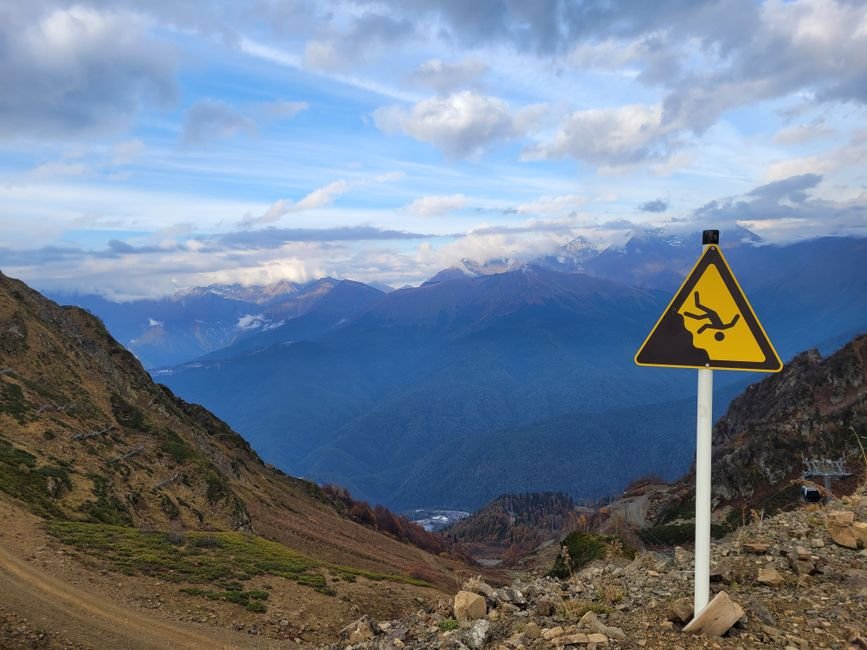
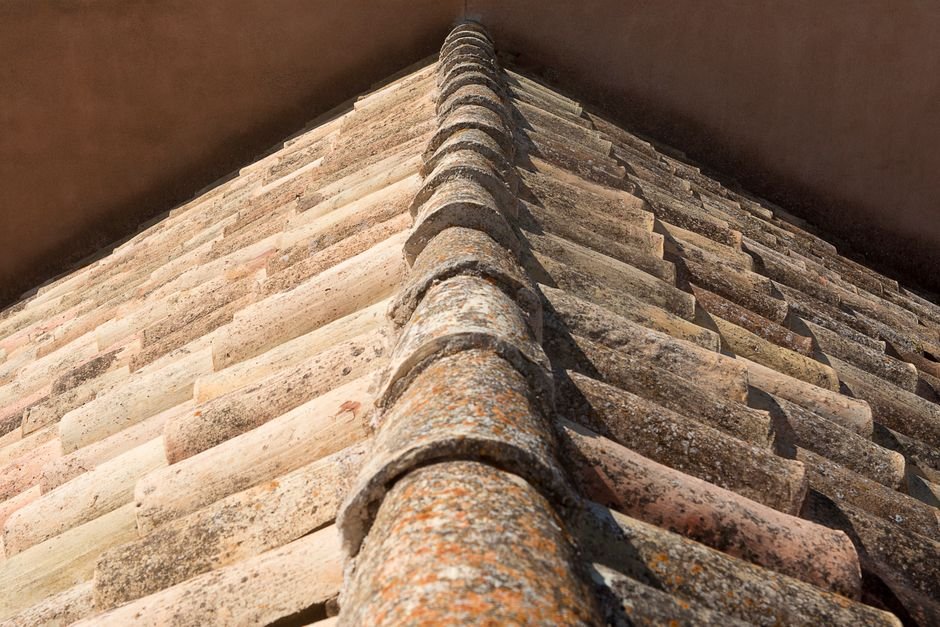
Road grade: slope expressed as a percentage
Grade % = (Rise ÷ Run) × 100
Identical math to the algebraic slope formula — just multiplied by 100 and labeled as a percentage.
A road sign warning of a “6% grade” is using exactly the same rise-over-run ratio as the algebraic slope formula, just expressed as a percentage instead of a decimal. A 6% grade means the road rises (or falls) 6 feet for every 100 feet of horizontal distance traveled — over a 500-foot stretch of road at a steady 6% grade, that’s a 30-foot elevation change.
Highway grades above roughly 6-8% are generally considered steep enough to warrant driver warning signage in most regions, since sustained steep grades affect vehicle braking (particularly for heavy trucks) and fuel efficiency meaningfully — this is exactly why grade percentage, not just a qualitative “steep hill” description, appears on official road signage.
Roof pitch: slope expressed as “rise in 12”
Pitch is stated as "rise in 12" — like a "4:12 pitch," meaning 4 inches of rise for every 12 inches (1 foot) of horizontal run.
A 4:12 pitch is a slope of 4/12 ≈ 0.333, equivalent to a 33.3% grade or an 18.4° angle.
Roofing uses its own conventional notation — “X in 12” — rather than the percentage-grade format roads use, but it’s describing the identical rise-over-run ratio underneath. A 4:12 roof pitch (a common moderate residential slope) means the roof rises 4 inches for every 12 inches of horizontal run, equivalent to a slope of 4/12 ≈ 0.333, or a 33.3% grade in road-sign terms, or an angle of about 18.4° from horizontal.
Roof pitch affects far more than appearance — steeper pitches shed rain and snow more effectively (reducing leak and structural load risk in heavy-snow regions) but require more roofing material and generally cost more to build, while very low-pitch or flat roofs need specific waterproofing membrane systems that a steep-pitch shingle roof doesn't, since water drains far more slowly across a nearly flat surface.
ADA ramp slope: a legally mandated maximum
ADA maximum running slope = 1:12 (8.33% grade, ≈4.8°)
This is a legal accessibility maximum in the US, not just a design recommendation.
The Americans with Disabilities Act (ADA) accessibility standards specify a maximum running slope of 1:12 for wheelchair-accessible ramps — meaning no more than 1 inch of rise for every 12 inches of horizontal run, equivalent to roughly an 8.33% grade, or about 4.8°. This is a genuinely strict standard compared to the road and roof examples above: it’s dramatically gentler than a typical road grade or roof pitch, reflecting the real physical demands of self-propelled wheelchair use, where even a moderately steep ramp can become difficult or impossible to navigate safely and independently.
Comparing all three in one table
| Context | Typical or maximum value | Equivalent slope |
|---|---|---|
| ADA ramp (legal maximum) | 1:12 | 0.083 (8.33%) |
| Gentle road grade | ~2% | 0.02 |
| Noticeable road grade | ~6% | 0.06 |
| Moderate roof pitch | 4:12 | 0.333 (33.3%) |
| Steep roof pitch | 8:12 or steeper | 0.667+ (66.7%+) |
Seeing these side by side makes clear just how much gentler an accessible ramp’s maximum slope is compared to even a moderate roof pitch or a noticeably steep road — the ADA’s 1:12 standard is roughly four times gentler than a typical 6% “steep” road grade, and roughly four times gentler still compared to a common residential roof pitch.
Why all three use the identical underlying formula
Roads, roofs, and ramps each developed their own conventional way of expressing the same rise-over-run relationship — percentage for roads, “X in 12” for roofing, and a ratio for accessibility standards — purely because each industry settled on whatever notation was most practically convenient for its own typical measurements and regulations, not because the underlying math differs at all. Converting between any of these formats is simple once you recognize they’re all the identical slope calculation, just labeled differently.
Converting between formats yourself
The Slope Calculator computes a raw slope value (rise/run as a decimal) from two coordinate points — from there, multiplying by 100 gives a percentage grade, or expressing the same ratio as “X in 12” (multiply the decimal slope by 12) gives the roofing convention, letting you translate a calculated slope into whichever of these three real-world notations your specific context calls for. For the algebraic side of that same calculation, turning two points into a full line equation is the natural companion skill.
FAQ
Is a 100% grade the same as a 45-degree angle? Yes — a 100% grade means rise equals run (a slope of 1.0), which corresponds exactly to a 45° angle from horizontal.
Why does roofing use “X in 12” instead of a percentage? It’s a longstanding trade convention tied to standard measurement practices in construction — 12 inches (1 foot) is a practically convenient run to reference, and the format has simply persisted as the roofing industry standard.
Is the ADA’s 1:12 maximum slope a recommendation or a legal requirement? It’s a legal requirement under ADA accessibility standards for ramps intended to provide compliant accessible routes, not merely a suggested best practice.
What roof pitch is considered “steep”? There’s no single universal cutoff, but pitches around 8:12 and steeper are commonly considered steep in residential construction, generally requiring more specialized (and costly) construction techniques than a moderate 4:12-6:12 pitch.
Can a road legally have a grade steeper than what’s typically signed? Grade limits and signage requirements vary by jurisdiction and road classification — very steep roads do exist in mountainous terrain, generally with additional warning signage, runaway truck ramps, or other specific safety infrastructure.
Does a higher percentage grade always mean a proportionally steeper angle? Not exactly in a linear sense at very high grades — percentage grade and angle are related through the tangent function, which means the relationship stays close to linear at low grades but diverges somewhat at very steep ones, though for typical road and roof grades this distinction rarely matters practically.