Net Carbs vs. Total Carbs on Keto
Why keto trackers typically subtract fiber from total carbs before counting them against a daily limit, the exact math behind that subtraction, and where the practice gets applied inconsistently.
Published July 20, 2026
“Net carbs” is the number that actually matters for staying in ketosis on most keto plans — and it’s routinely a different, smaller number than the “total carbs” line on a nutrition label. Understanding exactly what gets subtracted, and why, prevents both overcounting and undercounting a daily carb budget.

The core subtraction
Net carbs = Total carbs − Fiber
Some trackers also subtract sugar alcohols, though the fiber subtraction is the more universally applied part of the calculation.
Fiber is a carbohydrate that the body doesn’t digest and absorb the way it does starches and sugars — it passes through largely intact rather than being broken down into glucose. Because it doesn’t meaningfully raise blood glucose or work against ketosis the way digestible carbs do, most keto trackers exclude it from the number counted against a daily carb limit.
A worked example
A serving of vegetables listing 25g total carbs and 8g fiber counts as 17g net carbs against a daily keto limit — a meaningful difference, particularly for fiber-rich, keto-friendly vegetables that would otherwise look like they use up a disproportionate share of a tight daily carb budget.
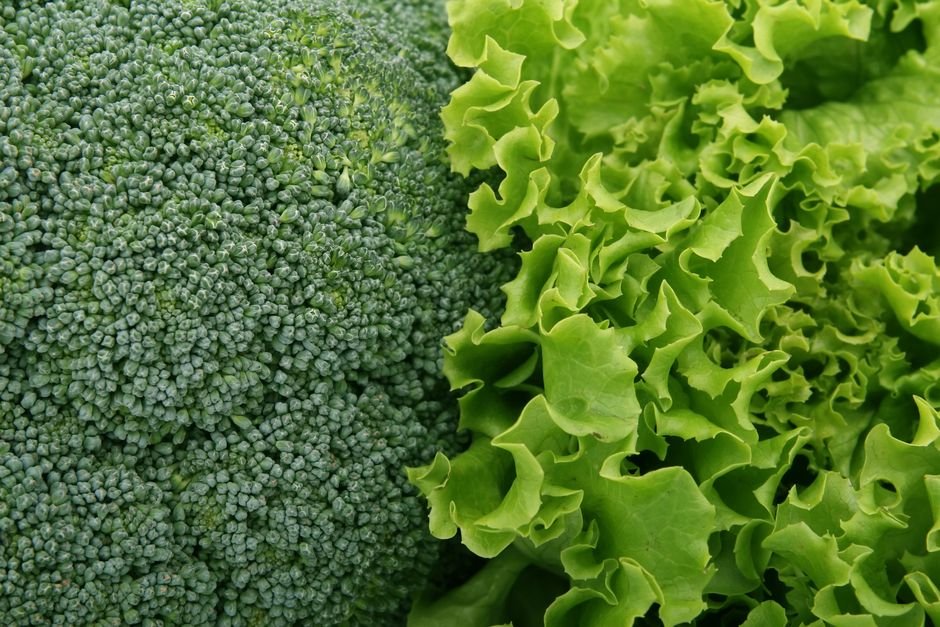
This is exactly why non-starchy, high-fiber vegetables — leafy greens, broccoli, cauliflower — are commonly recommended on keto despite technically containing carbs: a large share of their total carb count is fiber, so their net carb impact is much smaller than the total carb number alone would suggest.
Sugar alcohols: a more inconsistent case
Erythritol and similar have minimal effect on blood glucose — often subtracted in full from net carbs.
Maltitol and some others have a more meaningful glycemic effect — subtracting them in full can understate the real carb impact.
Not every sugar alcohol behaves the same way metabolically, which is why blanket-subtracting all of them from total carbs is a less reliable practice than subtracting fiber — some keto trackers subtract only half the sugar alcohol grams, or exclude specific higher-impact types from the subtraction entirely, to avoid understating net carbs.
Where net carbs fits into the bigger keto picture
| Term | What it measures |
|---|---|
| Total carbs | Every carbohydrate gram on the nutrition label |
| Fiber | Non-digestible carbs, subtracted from total |
| Sugar alcohols | Inconsistently subtracted, depending on type |
| Net carbs | The number actually tracked against a daily keto limit |
Net carbs is specifically a practical tracking convention for low-carb and keto diets — it isn’t a term that appears on official nutrition labels in most places, which is why it has to be calculated by hand or by a tracking app rather than read directly off packaging.
FAQ
Does the “net carbs” concept apply outside of keto? It’s used almost exclusively in low-carb and keto contexts — standard dietary guidelines and general calorie/macro tracking typically just use total carbohydrate grams without a fiber subtraction.
How does net carbs fit into the overall keto macro split? See Keto Macro Ratios Explained for how the daily carb gram target itself — the number net carbs gets tracked against — is derived from a keto-specific percentage split.
Is it possible to eat “too much” fiber while trying to stay under a net carb limit? Fiber itself isn’t typically restricted on keto — since it’s subtracted from the count, high-fiber foods can be eaten fairly liberally within reason, and fiber carries other digestive health benefits worth keeping in the diet.
Do all nutrition-tracking apps calculate net carbs the same way? No — some subtract fiber only, some subtract fiber and all sugar alcohols, and a few use more nuanced per-ingredient rules, which is why the same food can show a slightly different net carb figure across different apps.
Should net carbs or total carbs be used with the Macro Calculator? The calculator works from a percentage-of-calories carb target, which most closely corresponds to net carbs in keto practice — actual food tracking through the day should then subtract fiber from total carbs to check against that target.
Is a small amount of sugar alcohol-sweetened food likely to kick someone out of ketosis? For most people, moderate amounts of low-impact sugar alcohols (like erythritol) are unlikely to meaningfully disrupt ketosis, though individual sensitivity varies, and higher-impact sugar alcohols carry more risk of doing so.