Hydration for Different Climates: Hot, Cold, and High Altitude
How heat, cold, and high altitude each change real daily water needs beyond a standard bodyweight-based formula, and practical adjustments for each condition.
Published July 15, 2026
A bodyweight-based water formula assumes a fairly typical, moderate environment — but heat, cold, and high altitude each push real fluid needs meaningfully away from that baseline, through genuinely different physiological mechanisms that are worth understanding separately rather than lumping together as “extreme weather.”
Heat and humidity: the most obvious adjustment
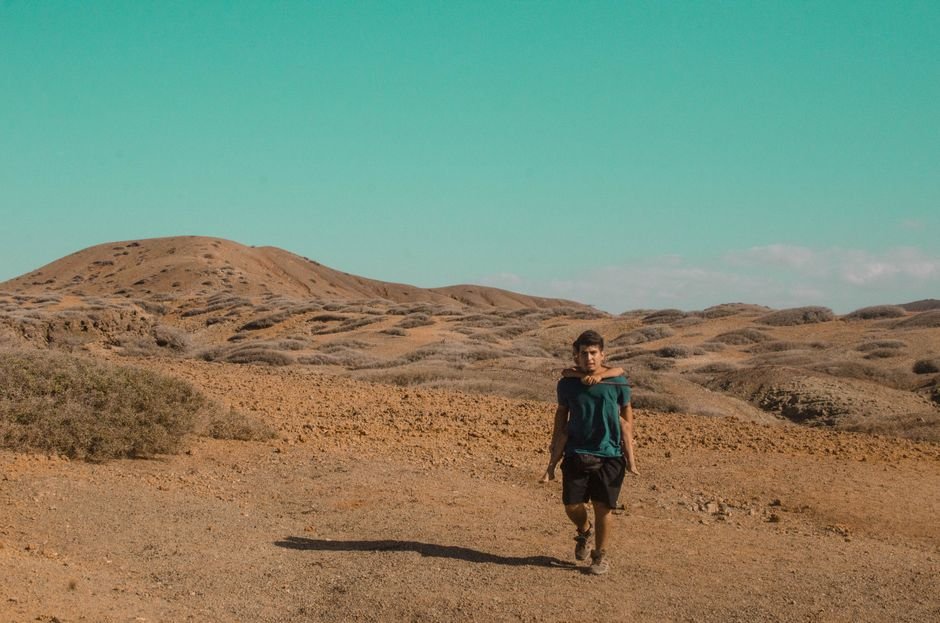
Heat increases fluid needs through the most direct mechanism of the three conditions covered here: the body sweats more to cool itself as ambient temperature rises, and that additional sweat volume needs replacing beyond a standard weight-and-exercise-based baseline. Humidity compounds this specifically because sweat’s cooling mechanism depends on evaporation — in high humidity, sweat evaporates more slowly, so the body often compensates by producing even more sweat to achieve the same cooling effect, meaning a hot, humid day can increase fluid needs more than an equally hot but dry day.
There’s no single universal percentage adjustment for heat, since it depends on the specific temperature, humidity, and individual sweat rate — the practical approach is treating the Water Intake Calculator’s baseline as a floor on a hot day, adjusting upward based on thirst, urine color, and how the day’s conditions compare to what’s typical for you.
Cold weather: an easily missed increase, not a decrease
Cold weather can increase fluid loss through two mechanisms people don't usually associate with dehydration: increased urine production in cold conditions (a phenomenon called cold-induced diuresis) and greater respiratory water loss from breathing cold, dry air — combined with genuinely reduced thirst sensation in cold weather, this is exactly why cold-weather dehydration is a real, if under-recognized, risk.
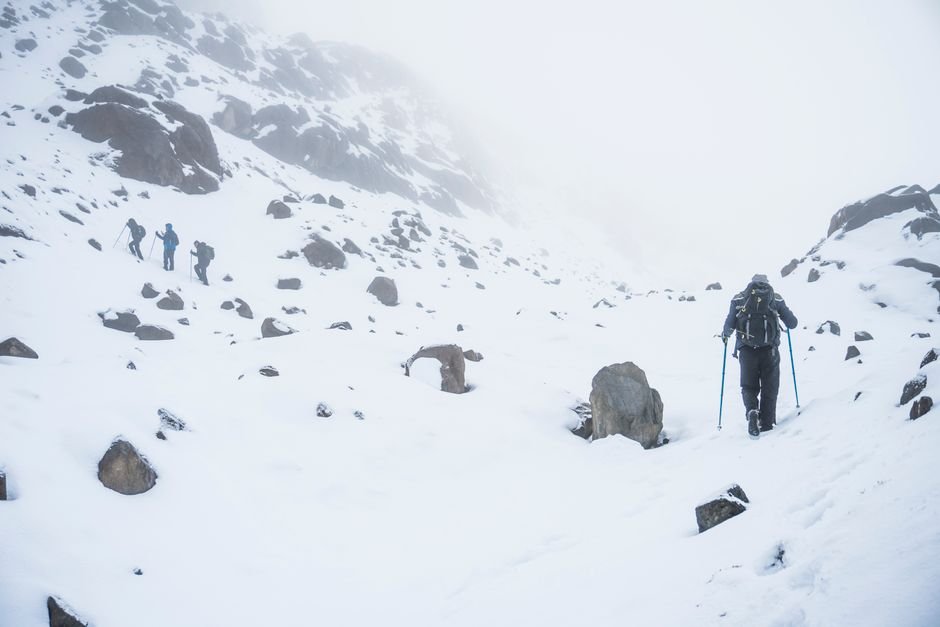
Cold weather doesn’t reduce fluid needs the way intuition might suggest — thirst sensation genuinely drops in cold conditions (part of why people drink less without consciously deciding to), while two separate physiological mechanisms actually increase fluid loss: cold-induced diuresis (increased urine production when the body redirects blood flow away from extremities in cold conditions) and elevated respiratory water loss from breathing cold, dry air, particularly noticeable during cold-weather exercise like skiing or winter hiking. The combination of reduced thirst and genuinely increased loss is exactly why cold-weather dehydration catches people off guard.
High altitude: a distinct mechanism from both
Thinner, drier air at altitude increases water lost through breathing, especially during exertion.
Altitude acclimatization involves physiological changes that can increase urine output in the initial adjustment period.
Similar to cold weather, altitude can blunt normal thirst signals despite genuinely increased fluid loss.
High altitude increases fluid needs through mechanisms that are genuinely distinct from heat — thinner air at altitude is also typically drier, increasing respiratory water loss with every breath, and this effect compounds with the increased breathing rate that altitude and exertion both independently cause. This is exactly why altitude-related dehydration is a well-documented concern in mountaineering and high-altitude travel guidance, independent of temperature — a cold, high-altitude environment can still significantly increase fluid needs despite not being hot at all.
A comparison across the three conditions
| Condition | Primary mechanism | Common pitfall |
|---|---|---|
| Heat/humidity | Increased sweat for cooling | Underestimating humidity’s compounding effect |
| Cold | Cold-induced diuresis + respiratory loss | Reduced thirst masking real increased need |
| High altitude | Respiratory water loss + increased urination | Not associating “not hot” with “not needing more water” |
Why a single formula can’t capture all three
The Water Intake Calculator’s weight-and-exercise-based formula is deliberately built around a fairly typical, moderate-climate baseline — building climate and altitude into a single universal formula would require far more environmental inputs (temperature, humidity, elevation, wind, acclimatization status) than a simple, broadly useful calculator can reasonably incorporate while staying easy to use. This is exactly why the calculator’s own guidance treats climate as a manual adjustment layered on top of the baseline, rather than attempting to build every possible environmental condition into the core formula itself.
Practical adjustment strategy for each condition
For heat and humidity: increase intake proactively before and during activity, don’t wait for thirst, and monitor urine color as a practical real-time check. For cold weather: deliberately schedule fluid intake rather than relying on thirst, since thirst is specifically blunted in cold conditions even as real losses continue. For high altitude: increase intake during the acclimatization period specifically, and stay attentive to breathing-related fluid loss during exertion, which compounds with altitude’s other effects.
FAQ
Does cold weather really increase dehydration risk, or is that a myth? It’s a genuine, physiologically documented effect — cold-induced diuresis and increased respiratory water loss both real mechanisms, compounded by reduced thirst sensation in cold conditions.
How much extra water should I drink in hot weather? There’s no single universal figure since it depends on specific temperature, humidity, and individual sweat rate — treating your baseline calculated target as a floor and adjusting upward based on thirst and urine color is the practical approach.
Is high-altitude dehydration only a concern in hot mountain climates? No — altitude’s respiratory water loss mechanism operates independent of temperature, meaning cold, high-altitude environments can still meaningfully increase fluid needs.
Why does thirst become an unreliable guide in cold weather and at altitude? Both conditions are documented to blunt normal thirst signaling even as actual fluid loss continues or increases, which is exactly why relying on thirst alone in these conditions risks under-hydrating without feeling thirsty enough to prompt it.
Should I adjust my water target before traveling to a different climate, or wait until I arrive? Proactive adjustment, especially for heat, altitude, or a significant climate change, is generally more effective than waiting for symptoms like thirst or fatigue to prompt a reactive increase.
Does humidity matter as much as temperature for hydration needs? Yes, genuinely — high humidity slows sweat evaporation, meaning the body may need to produce more sweat for the same cooling effect, which is why a hot, humid day can increase fluid needs more than an equally hot but dry day.
Heavy sweating in hot conditions also increases electrolyte loss alongside water — pairing fluid replacement with sodium matters more the longer and hotter a session runs.