How to Measure Waist to Hip Ratio Correctly (Step by Step)
How to measure waist to hip ratio the right way — exact landmarks, tape tension, posture, and the small mistakes that quietly throw the number off.
Published July 14, 2026
Waist-to-hip ratio is only as accurate as the two measurements that go into it, and both are easier to get wrong than most people expect. Learning how to measure waist to hip ratio correctly matters more than the formula itself — the math is a single division, but sloppy measurement technique can shift the result enough to land in a different risk category entirely.
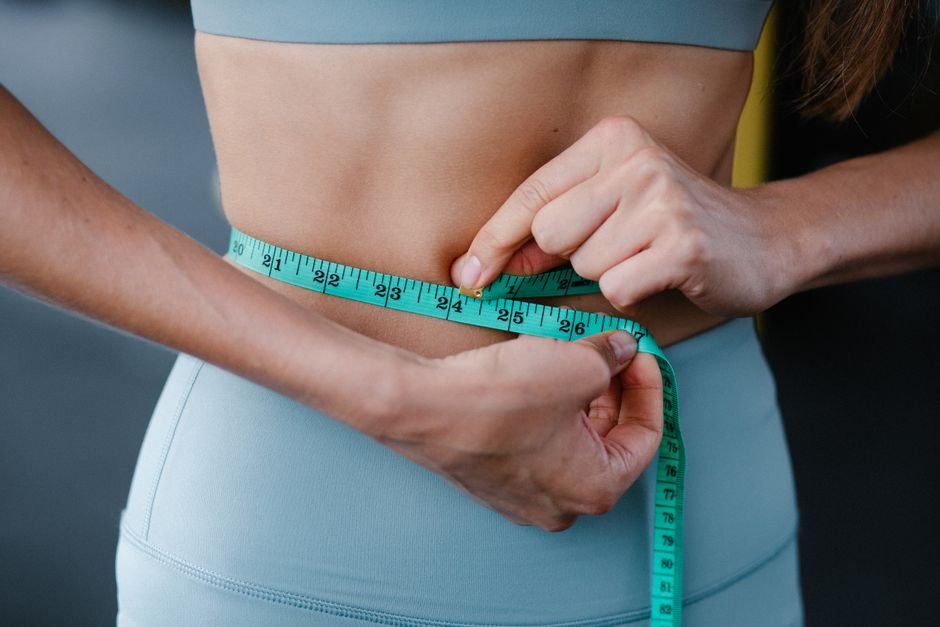
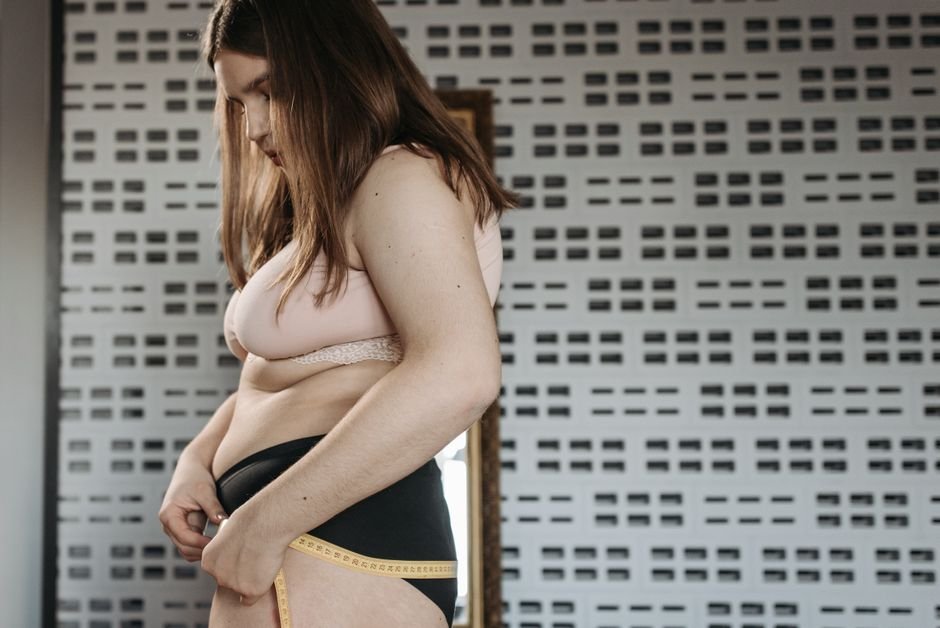
The two landmarks that matter
The waist measurement goes at the narrowest point of your torso — for most people this sits roughly at or just above the navel, not at belt height, which is often lower than the true narrowest point. The hip measurement goes at the widest point around your buttocks, which is usually a few inches lower than most people instinctively reach for. Both landmarks are about shape, not a fixed height on the body, so the exact spot varies person to person.
A worked example
WHR = Waist ÷ Hip
Both measurements must use the same unit (cm or inches) — mixing units silently produces a meaningless ratio.
A 72cm waist and 94cm hip gives a WHR of 0.77. A 90cm waist and 100cm hip gives 0.90. Run your own numbers through the Waist-to-Hip Ratio Calculator once you have a consistent measurement technique — the calculator does the division and flags the risk band instantly, but it can’t correct for a measurement that was taken inconsistently in the first place.
Because WHR is a ratio of two numbers, a small error in either measurement compounds. A waist measurement that's 2cm too tight and a hip measurement that's 2cm too loose can shift a 0.80 reading toward 0.75 or 0.85 — enough to cross a risk-band threshold on a measurement error alone.
Step-by-step technique
- Undress or use thin clothing over the area — measuring over a thick sweater or jacket adds inches that aren’t really there.
- Stand relaxed, feet together, arms at your sides. Don’t hold your stomach in or push it out — either changes the reading.
- Find your waist’s narrowest point by looking in a mirror or feeling with your hands as you bend slightly side to side; the crease that forms is roughly your waist.
- Wrap the tape snugly but not tight — it should sit flush against skin without compressing it. A tape that’s too loose reads high; a tape pulled too tight reads low.
- Breathe out normally and read the tape without sucking in — measure at the end of a normal exhale, not after a deep breath in or a held breath.
- Repeat for hips at the widest point around the buttocks, keeping the tape level and parallel to the floor all the way around.
- Record both numbers in the same unit and enter them into the calculator.
Common mistakes that throw off the number
| Mistake | Effect |
|---|---|
| Measuring waist at belt height instead of the narrowest point | Waist reading too high, WHR inflated |
| Pulling the tape too tight | Both measurements read artificially low |
| Measuring over thick clothing | Both measurements read artificially high |
| Holding stomach in during waist measurement | Waist reads too low, WHR falsely low |
| Tape not level around the body | Inconsistent, non-repeatable readings |
Any one of these mistakes on its own can shift a result by a few percentage points — small in isolation, but potentially enough to move a reading across a risk-band boundary, especially for someone whose true ratio sits close to one of the WHO thresholds.
Why consistency matters more than perfection
No single measurement session needs to be flawless, but the same technical choices — same landmarks, same tape tension, same breathing point — need to repeat every time you measure, especially if you’re tracking WHR over weeks or months. A single reading gives a snapshot; a consistent measurement habit is what actually reveals whether fat distribution is meaningfully changing, versus what’s just measurement noise from one session to the next.
Best time of day to measure
Body measurements fluctuate somewhat throughout the day due to food intake, hydration, and even posture fatigue late in the day. Measuring first thing in the morning, before eating and while still relatively rested, tends to give the most consistent baseline — not because it’s more “correct” in some absolute sense, but because it’s the easiest time to replicate exactly the same conditions each time you measure.
What to do once you have an accurate reading
Once waist and hip measurements are taken consistently, the ratio itself is simple: divide waist by hip. The Waist-to-Hip Ratio Calculator handles that division and shows which risk band the result falls into for your gender — but the calculator’s output is only as trustworthy as the measurement technique behind it. If a result seems surprising or doesn’t match how you’d expect your body composition to read, it’s worth re-measuring carefully before drawing any conclusions from a single number, or reading about what apple vs pear body shape actually means for context on what a given ratio tends to indicate.
FAQ
Should I measure over clothing or bare skin? Bare skin or thin, form-fitting clothing gives the most accurate reading — thick clothing adds false bulk to both measurements.
What if my waist isn’t clearly “narrower” anywhere? Some body shapes have a less pronounced waist narrowing — in that case, measure at the midpoint between your lowest rib and the top of your hip bone, a standard anatomical reference point used when the natural narrowing isn’t obvious.
Does it matter if I measure standing or sitting? Standing is the standard position for both waist and hip measurements — sitting compresses the torso and changes hip spread, producing an inconsistent reading.
How often should I re-measure if I’m tracking change over time? Monthly is usually frequent enough to see a genuine trend without over-reacting to day-to-day measurement noise — weekly measurements often show more variation from technique than from actual change.
Can I use a cloth tape or does it need to be a specific type? A flexible, non-stretch cloth or fiberglass tape measure works well — an elastic tape (like some sewing tapes) can stretch under tension and give an inconsistent reading depending on how hard you pull it.
Does the same technique apply to men and women? Yes — the measurement technique itself doesn’t differ by gender, only the risk-band thresholds applied to the resulting ratio differ, reflecting typical physiological differences in fat distribution between sexes.