How to Measure Resting Heart Rate Accurately
How to measure resting heart rate the right way — best time of day, manual pulse-counting technique, and why an inaccurate reading throws off every Karvonen zone calculation downstream.
Published July 14, 2026
Resting heart rate is the single input that turns a generic age-based heart rate estimate into a personalized one — it’s what separates the simple 220-minus-age method from the more individualized Karvonen formula. Getting it right matters: an inaccurate resting heart rate reading throws off every target zone calculated from it, so learning how to measure resting heart rate accurately is worth the two minutes it actually takes.
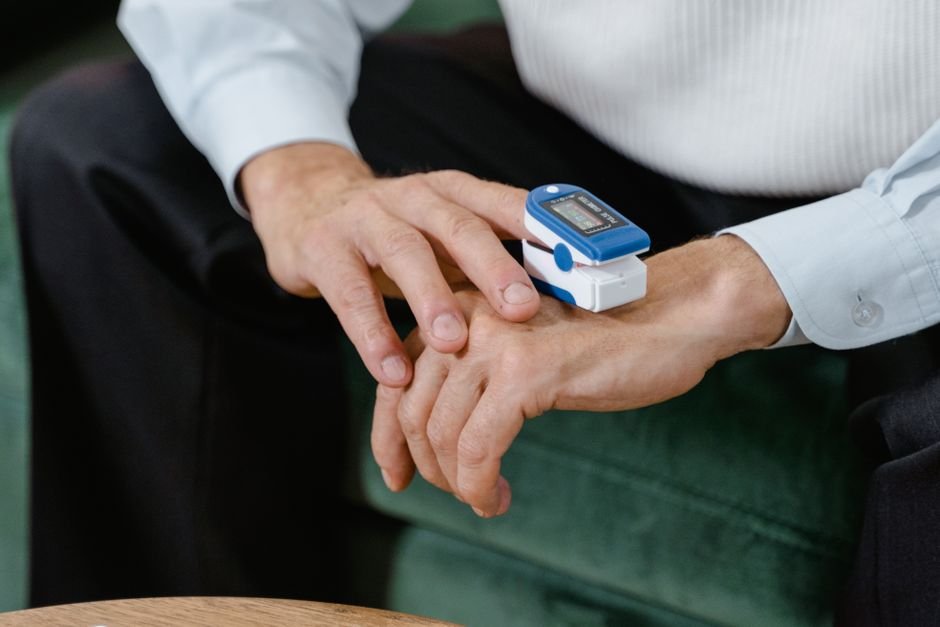

Why timing matters more than technique
“Resting” heart rate specifically means the lowest, most settled state your heart reaches during normal waking life — and the single best window to capture that is first thing in the morning, before getting out of bed, before checking your phone, and ideally before any caffeine. Any activity, stress, or stimulant between waking and measuring can elevate heart rate by several beats per minute, which is exactly the kind of noise that undermines the whole point of measuring a resting rate.
The manual pulse-counting method
- Lie still in bed immediately upon waking, before sitting up.
- Find your pulse at your wrist (radial artery, on the thumb side) or neck (carotid artery, gently — don’t press hard on both sides at once).
- Count beats for a full 60 seconds using a phone timer or clock. A 15-second count multiplied by four is a common shortcut, but a full 60-second count is more accurate, especially if your rhythm isn’t perfectly even.
- Record the number — that’s your resting heart rate for the day.
Resting HR = Beats counted over 60 seconds
A 15-second count × 4 is a common shortcut but amplifies any counting error fourfold.
A worked example: how much a bad reading shifts your zone
For a 30-year-old with a true resting heart rate of 60, the Karvonen 50-85% zone works out to 125-171 bpm. If the same person measures resting heart rate at 75 bpm after coffee and a stressful morning, the calculated zone shifts to roughly 133-176 bpm — noticeably higher, purely from a measurement taken under the wrong conditions rather than any real change in fitness. Run your own numbers through the Target Heart Rate Calculator once you have a reliable resting reading.
A single cup of coffee can raise heart rate by roughly 3-10 bpm for a period after consumption, and psychological stress can raise it further still — both are exactly why "first thing in the morning, before anything" is the standard recommendation for a resting measurement.
What can throw off a resting heart rate reading
| Factor | Typical effect |
|---|---|
| Caffeine before measuring | Raises reading, sometimes meaningfully |
| Stress or anxiety in the moment | Raises reading |
| Recent physical activity (even light) | Raises reading, can take time to settle |
| Illness or fever | Raises reading |
| Dehydration | Can raise reading |
| Measuring later in the day after activity | Rarely reflects a true resting state |
None of these need to be permanently avoided in life — they just need to be avoided in the specific moment of measurement, which is why the first-thing-in-the-morning window is so consistently recommended: it’s the easiest time to control for all of these factors at once, since you haven’t yet had coffee, exercised, or encountered a stressful email.
Wearables and automated resting heart rate
Many fitness trackers and smartwatches now estimate resting heart rate automatically, typically as the lowest sustained heart rate observed during sleep. This approach has a real advantage over a single manual morning reading: it captures data across many hours rather than one moment, smoothing out any single anomalous measurement. The tradeoff is that automated readings depend on the specific device’s sensor quality and algorithm, which can vary — a manual morning pulse count remains a reasonable, free cross-check against whatever a wearable reports.
Tracking resting heart rate as a fitness signal in its own right
Resting heart rate isn’t just an input to the Karvonen formula — it’s a meaningful fitness signal on its own. As cardiovascular fitness improves through consistent training, resting heart rate commonly trends downward over weeks to months, since a more efficient heart pumps more blood per beat and needs fewer beats per minute to circulate the same volume at rest. Tracking resting heart rate over time, using a consistent measurement method, can show this improvement directly — a genuinely motivating, objective marker of training progress independent of scale weight or workout performance.
Re-measuring as fitness changes
Because resting heart rate can shift meaningfully with training progress (or with detraining, illness, or major life changes), it’s worth re-measuring periodically rather than using a single number indefinitely. A resting heart rate measured a year ago, before several months of consistent cardio training, likely no longer reflects current fitness — and using it in the Target Heart Rate Calculator or Heart Rate Zone Calculator would produce a target zone calibrated to an outdated fitness level rather than your current one. A falling resting heart rate over time is also the main driver behind a widening heart rate reserve, the core number behind the Karvonen formula.
FAQ
How often should I re-measure my resting heart rate? Every few weeks to a couple of months is reasonable for most people tracking fitness progress — more frequent measurement mostly captures day-to-day noise rather than genuine change.
Is a wrist-based fitness tracker’s resting heart rate accurate enough to use? Generally yes for most consumer devices, especially when averaged over sleep, though accuracy varies by device — a manual morning pulse count is a reasonable free cross-check if a reading seems surprising.
What’s a normal resting heart rate range? Most adults fall somewhere between about 60-100 bpm, with well-trained endurance athletes sometimes considerably lower — but “normal” varies enough by individual that a personal baseline over time matters more than comparing to a population range.
Should I measure resting heart rate every single day? Not necessary for most purposes — periodic measurement (weekly to monthly) captures meaningful trends without the effort of daily tracking, unless you’re specifically monitoring recovery or overtraining risk.
Does illness affect resting heart rate readings? Yes, often significantly — a fever or active infection commonly elevates resting heart rate, so it’s best to avoid using a reading taken while sick as your baseline for zone calculations.
Can stress alone meaningfully change my measured resting heart rate? Yes — acute stress or anxiety in the moment of measurement can raise heart rate by a noticeable margin, which is part of why a calm, low-stimulation environment (like still lying in bed) gives the most reliable reading.
Related calculators
Target Heart Rate Calculator (Karvonen)
Find your target training heart rate using the Karvonen method, which factors in resting heart rate for a more personalized zone than age alone.
Heart Rate Zone Calculator
Find your target heart rate zones for fat burning and cardio training — based on the widely-used 220-minus-age formula for estimating maximum heart rate.