How to Calculate Your Macros for Fat Loss or Muscle Gain
How to calculate macros from a calorie target and a protein/carb/fat percentage split, with the exact gram-conversion math and worked examples for two common splits.
Published July 13, 2026
Once you know your daily calorie target, learning how to calculate macros is really just one more step: splitting that total across protein, carbohydrate and fat using each macronutrient’s calorie density.
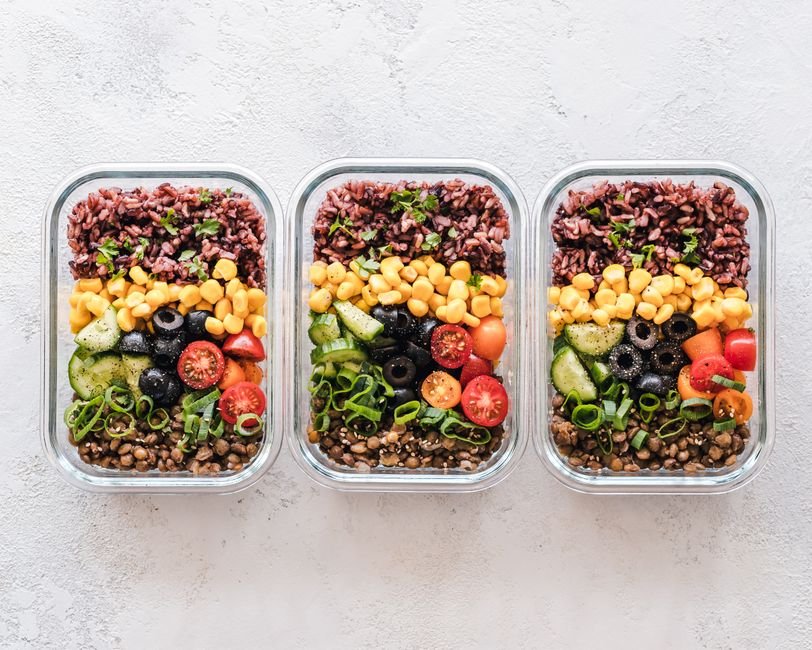

Why macros, not just calories, matter for how a diet feels
Two diets at the identical total calorie count can feel completely different day to day depending on their macro split — a very low-carb, high-fat diet and a moderate-carb, higher-protein diet at the same calorie total will differ substantially in satiety, energy levels during exercise, and how easy the diet is to sustain, even though the “calories in” side of the equation is unchanged. This is exactly why macro splits matter as a practical, adherence-focused tool, separate from the more fundamental question of total calorie balance covered further below.
The calorie-density each macro carries
This is the fact the entire calculation hinges on: fat is more calorie-dense per gram than protein or carbs, so the same percentage of calories translates into meaningfully fewer grams for fat than for the other two.
The formula
Grams = (Total Calories × Macro%) ÷ Calories-per-gram
Divide by 4 for protein and carbs, by 9 for fat.
Two worked examples
On a 2,000-calorie target split 30/40/30: protein = (2000×0.30)/4 = 150g, carbs = (2000×0.40)/4 = 200g, fat = (2000×0.30)/9 ≈ 67g. On a 2,500-calorie target split 25/45/30: protein = 156g, carbs = 281g, fat = 83g. The Macro Calculator does this conversion instantly for any calorie total and split.
Because fat is more than double the calorie density of protein and carbs, a 30% fat allocation looks small in grams compared to an equal 30% protein or carb allocation — the percentages are equal, but the gram counts aren't.
Tracking macros in practice
Most people tracking macros use a food-logging app that references a nutrition database, entering foods and portions to see running totals against their gram targets throughout the day. A few practical habits make this meaningfully easier: weighing or measuring portions for at least the first few weeks (visual estimation tends to drift over time without a calibration check), building a small rotation of regular meals with known macro counts rather than logging every meal from scratch, and treating a day that lands within a reasonable range of the target — rather than hitting an exact number — as a success, since exact precision every single day isn’t necessary for the underlying goal to be met.
Common splits and what they’re built for
| Split (P/C/F) | Common use case |
|---|---|
| 30/40/30 | Balanced, general fat-loss or maintenance |
| 40/30/30 | Higher-protein, common for muscle preservation during a deficit |
| 25/50/25 | Higher-carb, common for endurance training |
There’s no single universally “correct” split — the right ratio depends on training style, personal preference, and how sustainable a given split is to actually follow, more than any inherent metabolic advantage one ratio has over another with total calories held equal.
Why fat’s higher calorie density changes the math
This calorie-density difference is also why “low-fat” and “low-carb” diets can hit very different gram targets while delivering a similar total calorie count — a 20% fat allocation on a 2,000-calorie diet is about 44 grams, while a 20% protein or carb allocation at the same calorie level is 100 grams. The percentages look comparable; the actual food quantities don’t feel that way at the table, which is part of why gram-based macro tracking feels more concrete to most people than percentage-based tracking.
Adjusting a split for a specific goal
A macro split isn’t fixed for life — it’s reasonable to shift it as a goal changes. Someone moving from a maintenance phase into a dedicated muscle-building phase often raises both calories and the protein percentage slightly; someone in a fat-loss phase often keeps protein high (to help preserve muscle in a deficit) while trimming carbs or fat to create the calorie deficit itself. The macro percentages are a tool for hitting a specific physiological goal, not a rulebook to follow rigidly regardless of context.
Macros vs. calories: which one actually drives results
It’s worth being clear about the hierarchy here: total calorie balance is the primary driver of weight change, and macro split is a secondary refinement on top of that. Two diets with identical total calories but different macro splits will produce broadly similar weight-change results over time, even though they may feel very different day to day and produce somewhat different outcomes for muscle preservation, satiety, and training performance. Macro tracking is most valuable once a calorie target is already reasonably dialed in — it’s a tool for optimizing composition and adherence, not a replacement for getting the calorie total right first.
Setting the calorie total first
Macros are a split of a total, not a total themselves — which means the calorie number you plug in matters as much as the percentages. A BMR estimate multiplied by an activity factor is the standard way to arrive at that total calorie target before splitting it into macros, and checking your protein needs by body weight separately is a useful cross-check, since protein is often set as a gram-per-kg target first and converted to a percentage afterward, rather than the other way around.
FAQ
Why is protein often set first, in grams, rather than as a percentage? Protein needs scale more directly with body weight and training goal than with total calories, so many people set a gram-per-kg protein target first, then split the remaining calories between carbs and fat.
Does the specific macro split matter more than total calories for weight loss? No — total calorie balance (intake versus expenditure) is the primary driver of weight change; macro split mainly affects satiety, muscle preservation, and how sustainable the diet feels.
Can I use different splits on different days? Yes — many flexible approaches average macros over a week rather than requiring an identical split every single day.
Should I round my macro targets to exact numbers? Rounding to the nearest gram or five grams is fine in practice — real-world food tracking has enough inherent imprecision (from label rounding and portion estimation) that chasing an exact decimal gram target adds little practical benefit.
Does the order I set protein, carbs and fat matter? Not mathematically, but practically most people set protein first (often as a gram-per-kg target), then split remaining calories between carbs and fat based on preference and training style — since protein needs are more directly tied to body weight and goal than a fixed percentage.
Related calculators
Macro Calculator
Split your daily calories into protein, carb and fat targets in grams — turning a percentage-based nutrition plan into concrete numbers you can track.
Protein Intake Calculator
Estimate your daily protein needs based on body weight and activity level — since protein requirements scale meaningfully with how active you are, not just how much you weigh.
BMR Calculator
Estimate the calories your body burns at rest, using the Mifflin-St Jeor formula — the foundation for calculating total daily calorie needs.