How the Navy Body Fat Formula Works
The exact circumference-based formula the U.S. Navy method uses to estimate body fat percentage from a tape measure alone, why it needs different inputs for men and women, and how accurate it really is.
Published July 20, 2026
Estimating body fat percentage usually requires specialized equipment — calipers, a DEXA scan, or an underwater weighing tank. The U.S. Navy circumference method is the notable exception: it estimates body fat from nothing more than a tape measure and a short logarithmic formula, which is exactly why it’s the method behind most free online body fat calculators.
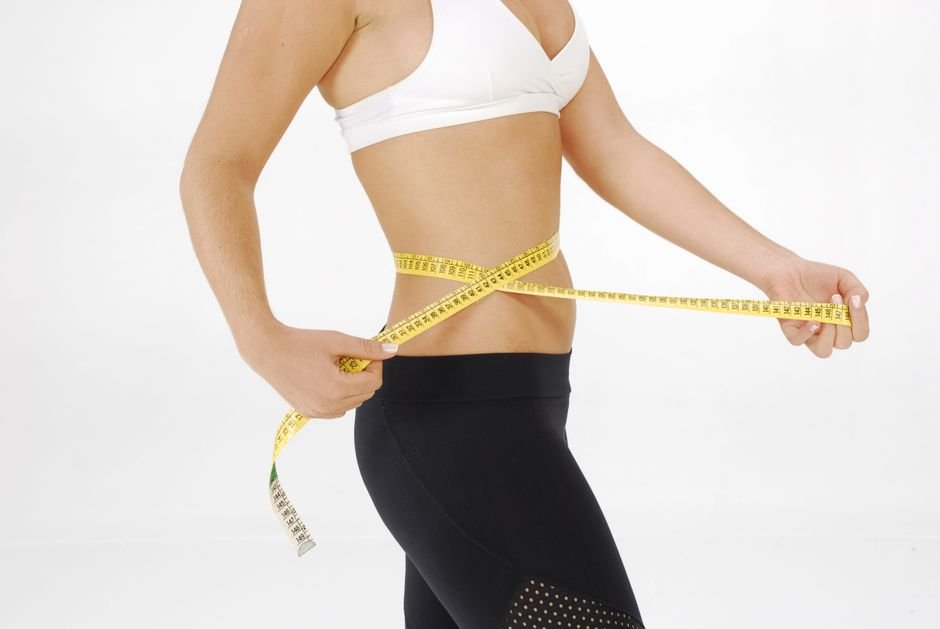
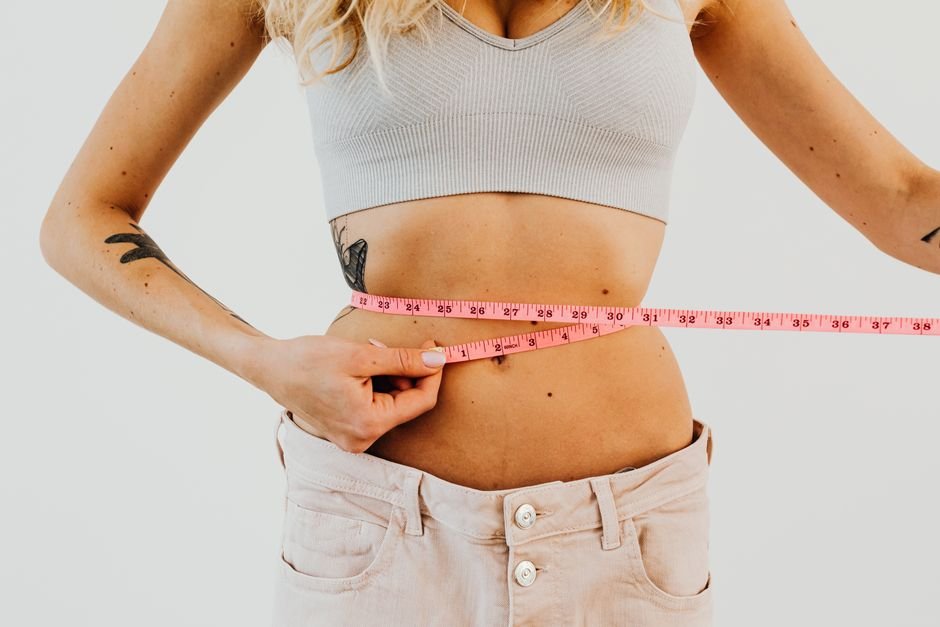
The formula, for each sex
Men: %BF = 495 ÷ [1.0324 − 0.19077 × log₁₀(waist − neck) + 0.15456 × log₁₀(height)] − 450
Women: %BF = 495 ÷ [1.29579 − 0.35004 × log₁₀(waist + hip − neck) + 0.221 × log₁₀(height)] − 450
The formula was developed by researchers at the Naval Health Research Center as a fast, no-equipment way to estimate body composition for military fitness standards — which is why it prioritizes measurements that are easy to take consistently (neck, waist, and for women, hip circumference) over more precise but equipment-heavy methods.
Why men and women need different inputs
Uses neck, waist, and height — three measurements.
Adds hip circumference — four measurements, because typical fat distribution patterns differ enough by sex that waist alone doesn't capture it as reliably.
Women’s bodies typically store a meaningfully different proportion of fat around the hips relative to the waist compared to men, which is why the female formula specifically adds hip circumference as a fourth input rather than reusing the three-measurement male formula with different constants.
A verified worked example
A 5cm difference in waist measurement alone — with every other input unchanged — shifts the estimate by 4 percentage points, illustrating how sensitive the formula is to accurate, consistent waist measurement specifically.
Measurement technique matters more than most people expect — the waist measurement should be taken at the navel while relaxed (not sucked in), and the tape should be snug but not compressing the skin. A measurement taken inconsistently between sessions can shift the result by several percentage points without any actual change in body composition.
Accuracy: what this method gets right and where it falls short
| Method | Equipment needed | Typical accuracy |
|---|---|---|
| Navy circumference method | Tape measure only | Reasonable estimate for typical body types |
| Skinfold calipers | Calipers, trained technician | More accurate, technique-dependent |
| DEXA scan | Specialized medical equipment | Considered a gold-standard reference method |
| Bioelectrical impedance (smart scales) | Impedance scale | Varies significantly with hydration level |
The Navy method’s main appeal is accessibility, not maximum precision — for tracking a personal trend over time using a consistent measurement technique, it’s a genuinely useful free tool; for a clinically precise single number, a DEXA scan or other lab-grade method is more reliable.
FAQ
Why does the formula use logarithms instead of simple subtraction? The relationship between circumference measurements and actual body fat isn’t linear — the logarithmic form was fitted to best match body fat percentages measured by more precise reference methods during the formula’s original development.
How often should I re-measure to track progress? Every 2–4 weeks is common, since body fat changes gradually and more frequent measurement mostly captures measurement noise and normal day-to-day fluctuation rather than a real change.
What’s considered a healthy body fat percentage from this formula? See Healthy Body Fat Percentage by Age and Gender for the standard reference ranges to compare a result against.
Does this formula work well for very muscular or very lean individuals? It tends to be less accurate at the extremes — very muscular people can be overestimated, since the formula can’t distinguish a large waist from muscle versus fat, and very lean or very high body fat individuals sit outside the range the formula was originally validated on.
Can I use inches instead of centimeters? The Body Fat Calculator on this site accepts centimeters; the underlying method works with either unit system as long as all measurements use the same one consistently, since the formula itself is unit-dependent.
Is neck circumference really necessary, or could waist alone work? Neck circumference acts as a rough proxy for overall frame size, which helps the formula distinguish “large waist from a large frame” from “large waist from body fat” — removing it would make the estimate noticeably less reliable.