Chest Strap vs Wrist Heart Rate Monitor: Which Is More Accurate?
Chest strap vs wrist heart rate monitor accuracy compared — how each technology actually measures heart rate, where wrist-based sensors typically fall short, and when the difference actually matters for training.
Published July 14, 2026
A calculated target heart rate zone is only useful if the device tracking your actual heart rate during a workout is accurate enough to tell you whether you’re in it. Chest strap vs wrist heart rate monitor accuracy is a genuinely meaningful comparison, not just a preference question — the two technologies measure heart rate in fundamentally different ways, with real accuracy differences that show up specifically during higher-intensity effort.
Two different measurement technologies
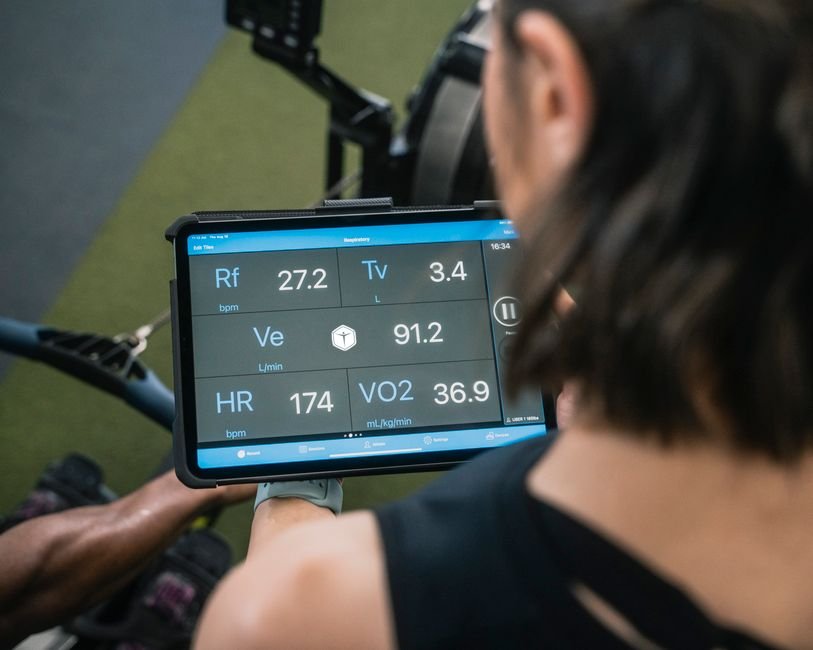
Reads electrical signals from the heart directly (ECG-style), the same underlying signal a hospital heart monitor uses.
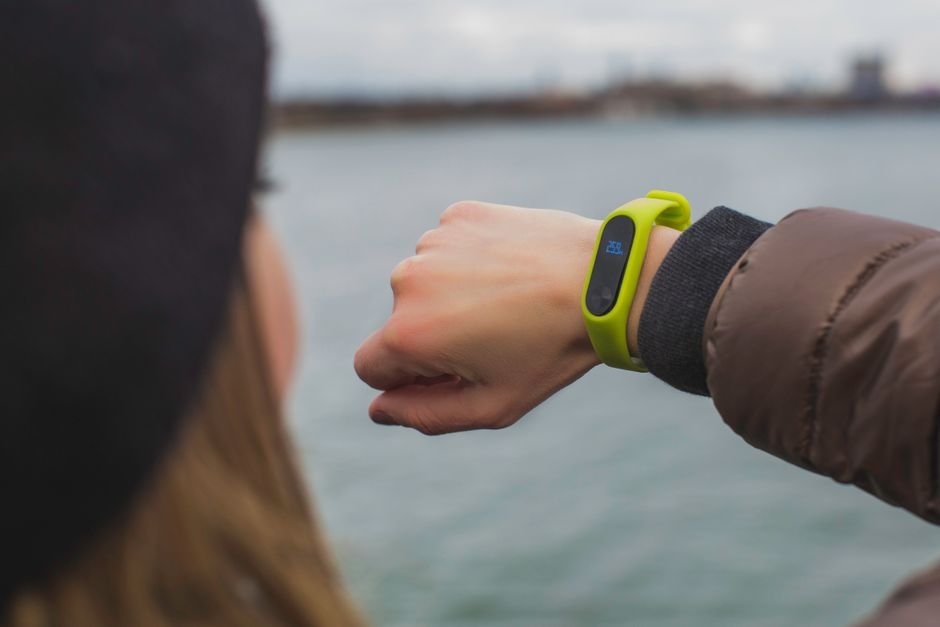
Uses optical sensors (photoplethysmography) that detect blood volume changes through the skin via light.
A chest strap works by detecting the heart’s own electrical signal directly — essentially a simplified, wearable version of the same electrocardiogram (ECG) technology used in clinical settings, which is why chest straps are generally considered the accuracy benchmark against which other consumer devices are measured. A wrist-based monitor instead uses optical sensors that shine light into the skin and measure how blood volume changes with each heartbeat (a technique called photoplethysmography) — an indirect measurement that works well under stable conditions but is more susceptible to specific sources of interference.
Where wrist-based accuracy typically breaks down
Research comparing wrist-based optical sensors against chest strap and ECG references has consistently found that wrist-based accuracy is generally good during steady, low-motion activity (like walking or steady cycling with a stable wrist position) but degrades meaningfully during higher-intensity, high-motion activity — running with significant arm swing, for instance, or any activity involving rapid wrist movement, both of which introduce motion artifacts into the optical signal that the sensor can struggle to distinguish from the actual pulse signal.
Some studies comparing consumer wrist-based monitors against ECG references during high-intensity interval training found error margins of 10-20+ bpm during the hardest efforts — precisely the moments when knowing your true heart rate zone matters most.
Where wrist-based devices generally perform well
It’s worth being fair to the technology: wrist-based optical sensors have improved substantially over the years, and modern devices generally perform reasonably well for steady-state activities, resting heart rate tracking (including overnight, when motion is minimal), and general trend tracking over time. The gap versus chest straps is most pronounced specifically during high-intensity interval work and activities with significant wrist motion — for someone doing steady cardio at a consistent pace, the practical accuracy difference is often small enough not to matter much.
When the accuracy difference actually matters
| Use case | Does the accuracy gap matter? |
|---|---|
| Casual walking or steady cardio | Usually not much — wrist-based accuracy is generally reasonable here |
| High-intensity interval training | Often yes — motion artifacts are most likely to degrade wrist accuracy here |
| Precise threshold zone training | Yes — small errors matter more when targeting a narrow bpm range |
| General trend tracking over weeks/months | Usually not — consistent relative errors still show a real trend |
| Resting heart rate (overnight) | Usually not — minimal motion means optical sensors perform well |
The practical takeaway isn’t that wrist-based monitors are unusable — it’s that the accuracy gap is use-case dependent, and matters most exactly when precision matters most: high-intensity structured interval training where staying within a specific, narrow target zone is the whole point of the session.
A worked example of how error compounds
Target zone: 161–173 bpm (threshold, age 35, resting 65)
A wrist-device reading 15 bpm low during a hard interval could show 146-158 bpm — appearing to be well under zone when the athlete is actually on target.
If a genuine wrist-monitor accuracy gap of 10-15 bpm shows up specifically during a hard interval, an athlete correctly working at 165 bpm (within their true 161-173 threshold zone) might see a wrist device reading closer to 150 bpm — appearing to be below target zone, prompting an unnecessary and counterproductive increase in effort based on inaccurate feedback. This is exactly the scenario where the underlying technology gap has a real, practical training consequence, not just a cosmetic accuracy difference.
Practical recommendations
For anyone doing genuinely structured, zone-specific training — particularly threshold or high-intensity interval work where staying within a narrow bpm range matters — a chest strap remains the more reliable choice based on the available accuracy research. For general fitness tracking, steady-state cardio, and long-term trend monitoring, a quality wrist-based device is generally accurate enough that the extra hassle of a chest strap isn’t necessary for most people. Calculating your target zones with the Target Heart Rate Calculator is the same regardless of which device you use to track actual heart rate during a workout — the calculator gives the target; device accuracy determines how reliably you can tell whether you’ve hit it. Matching the right zone to your actual training goal matters just as much as measurement accuracy once you’re consistently hitting your numbers.
FAQ
Are chest straps always more accurate than wrist-based monitors? Generally yes, particularly during higher-intensity or high-motion activity, since they measure the heart’s electrical signal directly rather than an indirect optical proxy that’s more susceptible to motion interference.
Is a wrist-based device accurate enough for casual fitness tracking? Usually yes — the accuracy gap versus chest straps is smallest during steady, low-motion activity, which covers most casual fitness tracking use cases reasonably well.
Why does running specifically challenge wrist-based accuracy more than cycling? Running typically involves more wrist and arm motion than cycling with hands on stable handlebars, and that motion introduces more artifacts into the optical signal wrist-based sensors rely on.
Does wrist placement affect optical sensor accuracy? Yes — a properly snug, correctly positioned wrist device (not too loose, positioned slightly above the wrist bone) generally performs better than a loose or incorrectly placed one, since a stable, close skin contact improves optical signal quality.
Is overnight resting heart rate from a wrist device reliable? Generally yes — minimal motion during sleep is exactly the condition under which optical sensors perform closest to their best, making wrist-based overnight resting heart rate tracking reasonably trustworthy.
Do I need a chest strap if I’m just training for general health, not competitive performance? Not necessarily — a quality wrist-based device is likely accurate enough for general health and fitness goals; a chest strap becomes more valuable specifically for precise, structured interval training.
Related calculators
Target Heart Rate Calculator (Karvonen)
Find your target training heart rate using the Karvonen method, which factors in resting heart rate for a more personalized zone than age alone.
Heart Rate Zone Calculator
Find your target heart rate zones for fat burning and cardio training — based on the widely-used 220-minus-age formula for estimating maximum heart rate.