






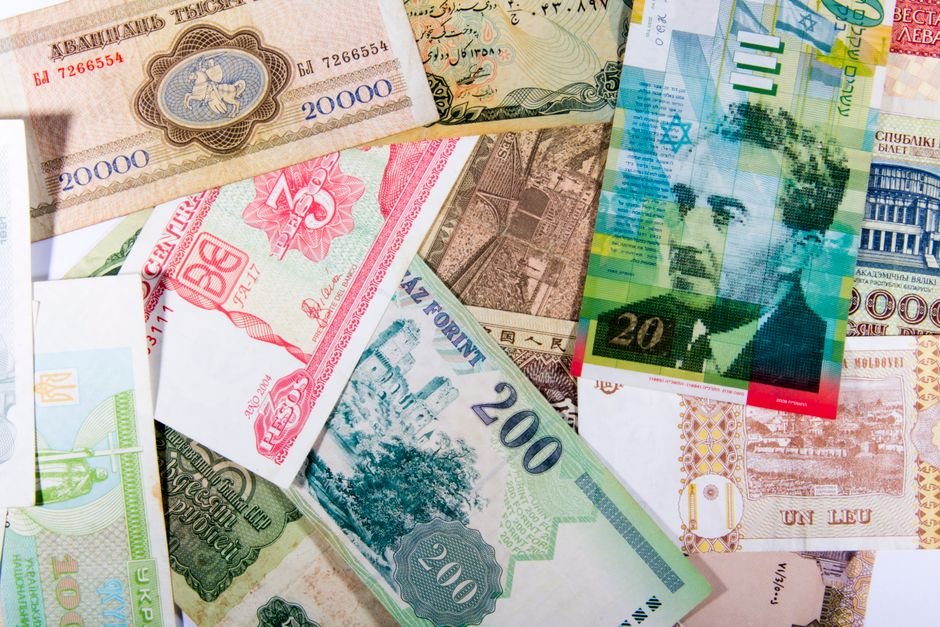
The distinction between a visible, explicitly stated fee and a margin built invisibly into an exchange rate is one of the more consequential things to understand about the real cost of currency exchange, and it's a distinction that many exchange services, banks, and card providers actively lean into when marketing themselves as 'fee-free' or 'zero commission' — a claim that's often technically true in the narrow sense of not charging a separately itemized fee, while still being genuinely misleading about the transaction's true total cost.
The mid-market rate — the rate quoted by financial data services and news sources, representing the midpoint between the actively traded buy and sell prices among major financial institutions in the global currency markets — functions as the closest thing to a neutral, 'true' reference rate for any given currency pair at any given moment. No individual retail consumer typically transacts at this exact mid-market rate directly, though; banks, exchange services, and card networks all build some margin into the actual rate they offer retail customers, and this margin is precisely how many of these providers generate revenue from currency exchange services, whether or not they also charge a separate, explicitly visible fee on top.
A provider that charges no separate visible fee but offers a rate meaningfully worse than the mid-market rate is, in every economically meaningful sense, charging a real cost for the exchange service — it's simply structured as an embedded margin within the rate itself rather than as a line-item fee a customer can easily see and compare. This structural choice genuinely matters for how easy or difficult it is for an ordinary consumer to accurately compare the true cost of different exchange options: a visible, itemized fee is immediately obvious and easy to compare across providers, while a margin embedded in the offered rate requires actively knowing and checking the current mid-market reference rate to even notice, let alone accurately quantify — which is exactly the comparison this calculator is built to make straightforward.
Margin sizes vary considerably across different types of providers and different currency pairs, for reasons genuinely rooted in each provider's actual costs and risk. Major currency pairs (like USD/EUR or USD/GBP) traded in extremely high volume typically carry tighter margins than less commonly traded currency pairs, since higher trading volume generally allows providers to operate with thinner margins while still processing profitably at scale, whereas a less liquid, less commonly traded pair carries genuinely higher operational risk and cost for a provider to service, which tends to show up as a wider margin passed through to the customer. Physical cash exchange (at an airport kiosk, for instance) also typically carries meaningfully wider margins than electronic transfers or card-based transactions, reflecting the genuinely higher real costs (physical currency handling, security, lower typical transaction volume at a given physical location) associated with that specific exchange channel.
Given how significantly margin can vary between providers and channels for what's often functionally the identical underlying currency conversion, actively comparing margin percentage — not just headline claims about 'no fees' — across the specific options genuinely available for a given transaction (a bank's international transfer service, a dedicated currency exchange service, a travel card, a peer-to-peer transfer service) is a genuinely worthwhile exercise before any significant currency exchange, particularly for larger transaction amounts where even a modest-seeming margin percentage difference between providers can translate into a meaningfully significant absolute dollar cost difference — exactly the comparison this calculator's percentage-and-dollar-cost output is designed to make concrete and actionable rather than left as an abstract, easy-to-overlook consideration.